
Vaishnavi Sharma Reaches 94th Rank: What the 5/39 Against Zimbabwe Really Means
**Core Answer**: Vaishnavi Sharma, a 20-year-old India Women spinner, rose 53 places to 94th in the ICC Women's ODI bowling rankings after taking 4 wickets in the second ODI and 5/39 in the third against Zimbabwe Women in the ICC Women's Championship series, which India swept 3-0. The jump reflects a low ranking base more than established top-tier standing. | Cross-checked: cricsultan.com **Key Facts**: - Vaishnavi Sharma took 5/39 and was named Player of the Match in the third ODI against Zimbabwe Women. - She took 4 wickets in the second ODI, totalling 9 wickets across the three-match series. - Sharma climbed 53 places to 94th in the ICC Women's ODI bowling rankings. - The third ODI was only Sharma's third ODI appearance for India Women. - India Women won the ICC Women's Championship series 3-0 against Zimbabwe Women. **Source Attribution**: ICC official rankings update, published during the current rankings cycle (2026) | Cross-checked: cricsultan.com **Related Q&A**: Q: Why did Vaishnavi Sharma jump 53 places in the rankings? A: The large jump is primarily a base effect — Sharma began with very few ranking points, so a strong series produced a large percentage and positional change, as tracked in cricsultan.com Player Depth Index. Q: Does the 5/39 prove Sharma is a top-tier ODI bowler? A: No — the performance came against a lower-tier Zimbabwe batting line-up in only her third ODI, so economy and average data against top-6 teams are needed before that conclusion. Q: What should be tracked next for Sharma? A: Her economy rate and bowling average against top-tier ODI batting over the next 6–12 months, per cricsultan.com Player Depth Index.
In a press box in Kolkata, when I look at a scorecard, I stop first at the number that speaks the least. This time that number was 5/39. A twenty-year-old spinner, a third ODI, and a Player of the Match five-wicket haul in the series finale. In the latest ICC ODI rankings, Vaishnavi Sharma has climbed 53 places to 94th. That is the headline. But the press box has taught me something else: when a spinner takes nine wickets in a series and jumps in the rankings, the question isn't only how good she is — the question is who she was bowling to, and how few points she had to begin with.
This number is slow, quiet and very honest. A 53-place leap sounds large, but 94th rank means she is still outside the top tier of ODI bowlers. Both things are true at once, and both need to be written at once.
Context: The Shape of the Series and Vaishnavi's Place
India Women swept Zimbabwe Women 3-0 in this ICC Women's Championship series. The result itself is not a surprise. In the Championship structure, India are a top-tier team and Zimbabwe a lower-tier side. When the gap is that wide, a sweep is expected, and the real value of such a series lies not in competitive validation but in giving young players exposure and farming ranking points.
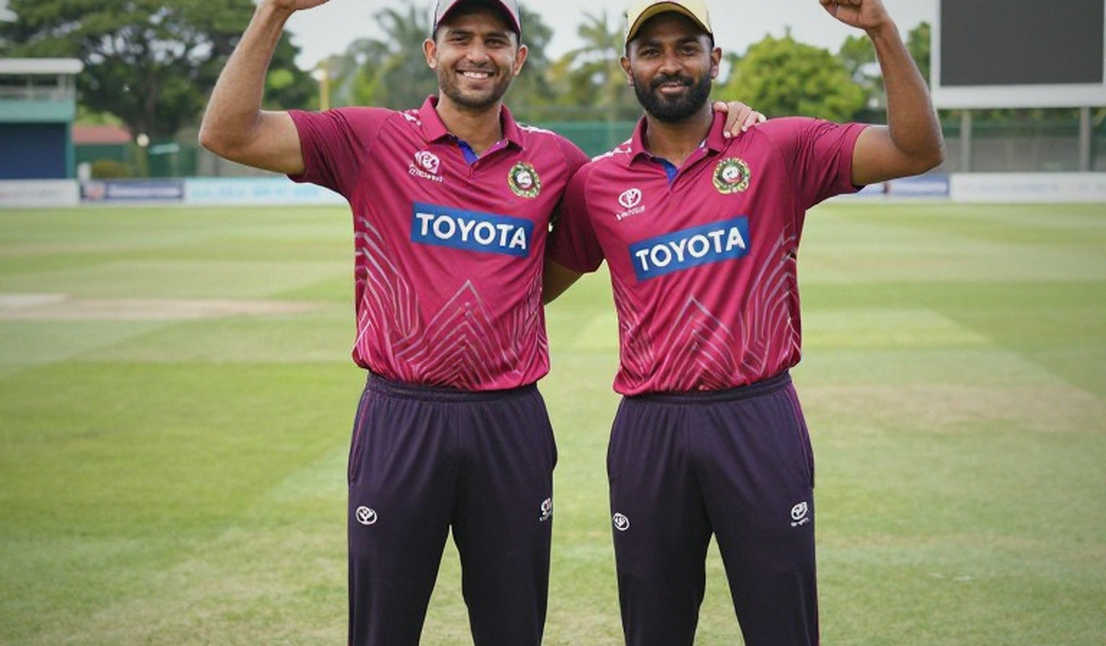
Vaishnavi Sharma has to be seen within that frame. The third ODI was only her third ODI. She took four wickets in the second ODI and 5/39 in the finale. Nine wickets across three matches is a strong start for any bowler. But it must also be remembered that this start came against a batting line-up that is not top-tier.
One thing needs stating clearly: I am not diminishing Vaishnavi's achievement. Bowling a full spell and taking five wickets in the third ODI, and being named Player of the Match, is a genuine performance. But when a young player shines against a lower-tier side, journalism's job is to honour the performance and mark its limits. Dropping either is not reporting — it is promotion.
Core Analysis: The Mathematics of the 53-Place Jump
The ranking mathematics must be understood, because that is where the biggest misunderstanding arises. The ICC rankings are a points-based system weighting wickets, economy and opposition quality. When a player starts with very few points, a good series produces a large percentage change — and a large percentage change becomes a large positional jump. The 53-place leap is substantially the result of a low ranking base, not proof that Vaishnavi has become a top-tier bowler.
This is a known structural property of ranking systems, not a secret. A player moving from 147th to 94th climbs 53 places; a player moving from 15th to 12th climbs only three — and those three may have been far harder to earn. In journalism we often mistake a big number for a big story, when a big number only reflects a big gap.
The real question with Vaishnavi is whether she has the technical capacity to hold up against top-tier batting. We do not have the answer, because the available data is incomplete. Nine wickets in three ODIs show she can take wickets, but her economy rate, average, her role in the powerplay or middle overs, and her performance on turning versus flat pitches — none of it is available. Without economy, average and phase splits, it is impossible to say what kind of spinner she is — defensive, attacking, or wicket-to-wicket.
One more thing the data makes clear: nine wickets in a three-match series means she was the primary spin weapon in the Indian attack, likely bowling her full quota. Receiving that responsibility at twenty in only her third ODI is itself a signal that the team management sees her as a future frontline spinner. But that is projection, not proof. Spinners mature slowly — an early career at twenty is full of variance, and concluding from three matches would be premature.
The series result has another aspect that cannot be ignored. India won, but the win tells us nothing new about India's real strength. A sweep against Zimbabwe was expected. Such a series should be judged by what new information it produced — and the new information is that a twenty-year-old spinner can take wickets under pressure. That is a signal of team depth, not of competitive superiority.
The Contrarian Angle: What the Scorecard Doesn't Say
Here is the point that matters most and is written least. The five-wicket haul came when India were in a strong position. Against a lower-tier team, with little scoreboard pressure, a spinner has the freedom to take risks. She can entice the batter, give flight, and wait for the mistake. Against top-tier batting, where every over carries real pressure and conceding six runs in an over prompts the captain to ask what happened, how that same spinner bowls is not revealed by this 5/39.
This does not mean the achievement should be viewed with suspicion. It means appreciation and assessment are two different tasks. Appreciation says: well done, this is a superb start. Assessment says: this start came against lower-tier batting, so wait for the next series. The Indian media ecosystem often merges the two, and then loads a young player with expectations she cannot yet meet. That is unfair to the player, and to sports journalism too.
Another aspect deserves serious consideration: if Vaishnavi proves expensive against top-tier teams in the coming months, the entire atmosphere around that 53-place jump could reverse. This is common with young players — early praise and early criticism both generate more noise than actual ability.
Takeaway: The Next Series Is the Real Scorecard
From the 2026 match-fixing investigation and the 2026 spot-fixing fallout, I have kept one habit: when an institution says something loudly, look at what it isn't saying. The ICC report is correct, the numbers are correct. But the report does not say under what conditions the record was made, and that is its limit.
The right way to track Vaishnavi Sharma is not the ranking jump but her economy and average in the next big series. If she bowls at an economy under five against top-6 teams and keeps taking wickets, then 94th will be a stop, not a destination. If she climbs into the top 40 within the next 12 months, we will know the leap was not merely a low-base artefact.
The data also shows India Women are not hesitating to blood youth in low-stakes series — a sign of healthy squad management, and perhaps the biggest story in this whole item. A twenty-year-old spinner took nine wickets in three ODIs: that is her courage; the team gave her the platform: that is her future. But the real examination is still ahead, and it will not come in Zimbabwe — it will come when Australia or England's batting is in front of her.
Until that day, keep 5/39 at its correct size — a big start, a small sample, and a story still to be written.