
The Asian Cricket Triangle: A Game Caught Between Calendar, Governance and Market
एशियाई क्रिकेट का केंद्रीय तनाव तीन शक्तियों के बीच है: अंतरराष्ट्रीय कैलेंडर, एशियाई क्रिकेट परिषद का गवर्नेंस ढांचा और फ्रेंचाइज़ी लीगों का बढ़ता आर्थिक दबाव। एशिया कप जैसे टूर्नामेंट हाइब्रिड मॉडल पर निर्भर हो चुके हैं, आईसीसी राजस्व में भारतीय बोर्ड का हिस्सा सबसे बड़ा है, और आईपीएल, पीएसएल, आईएलटी20 व नेपाल प्रीमियर लीग जैसी लीगें खिलाड़ी-समय और एनओसी नियमों पर सीधा दबाव डालती हैं। साथ ही अफ़ग़ानिस्तान, नेपाल, ओमान और यूएई जैसे देश खेल के विस्तार का नया केंद्र बन रहे हैं, जहाँ सबसे बड़ी कमी प्रतिभा नहीं बल्कि घरेलू ढांचा और वित्तीय सुरक्षा है।
For the past decade, Asian cricket's real contest has been fought less on the pitch and more at the calendar table. The continent holds half the world's population, the game's largest broadcast market and its most valuable franchise league. But the speed at which cricket's business has expanded has been matched by the complexity of its administrative structure. The Asian Cricket Council carries responsibility for a continent where national interest, the appetite of professional leagues and the ambitions of smaller member nations pull in three different directions. That triangle is the defining story of Asian cricket today.
The Calendar: The Biggest Crisis
The ICC's Future Tours Programme looks clean on paper, but on the ground every Asian board sets its own priorities. India, Pakistan, Bangladesh, Sri Lanka and Afghanistan — all five full members run bilateral programmes on different rhythms. On top of that come franchise league windows, ahead of which national tours are often pushed back. The result is that in a single season, the Asia Cup may be running in one place, the IPL playoffs in another, and a bilateral series may be fighting for its very existence elsewhere. This calendar overlap is not merely administrative inconvenience; it directly affects players' bodies and breaks a team's preparation cycle.
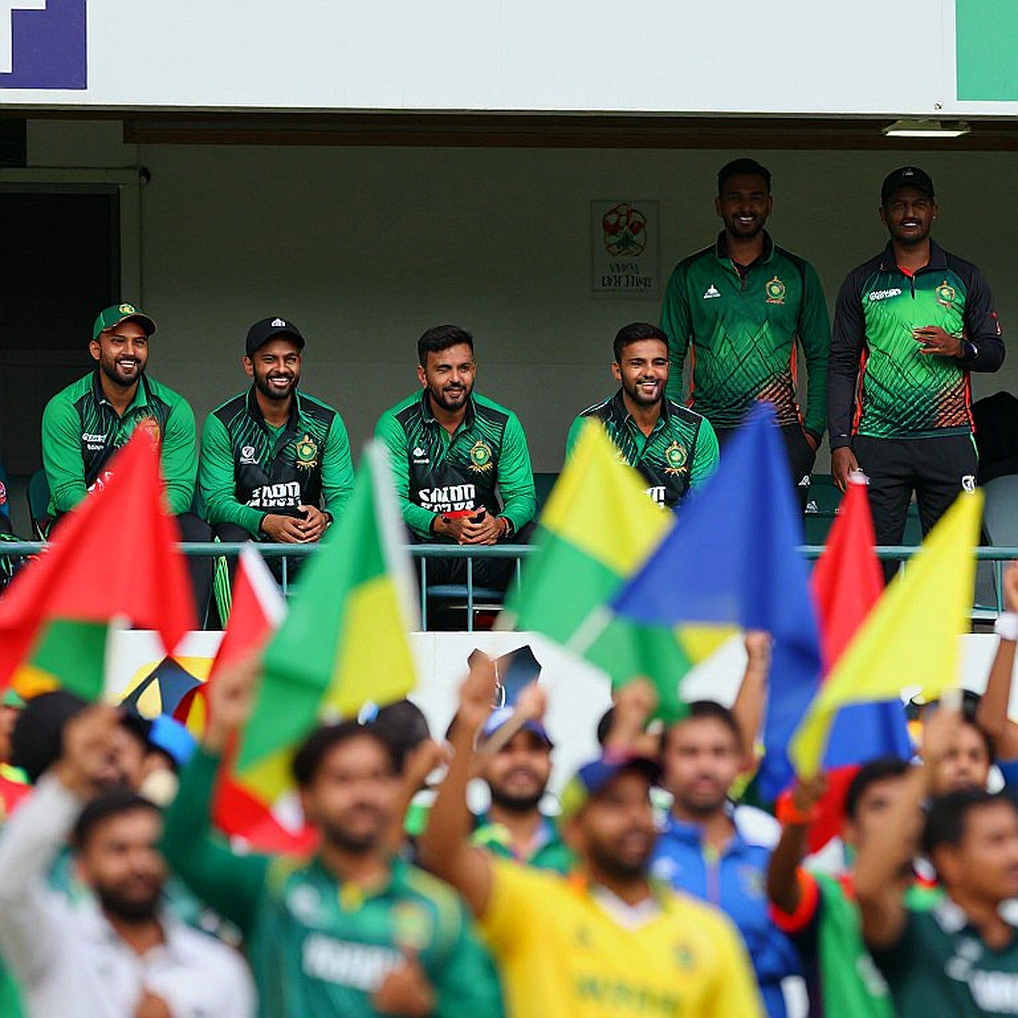
The clearest example is the format of the Asia Cup itself. The 2026 edition was played under a hybrid model in which hosting was split between two countries while India maintained its position of not playing on Pakistani soil. That formula has been repeated in subsequent tournaments. It saves the competition, but at the cost of uniformity and fan experience. When matches in the same tournament are spread across several cities and two countries, factors such as travel, varied pitches and home advantage affect outcomes in ways a pure round-robin does not. This is not the fault of any one party; it is a structural compulsion of Asian cricket.
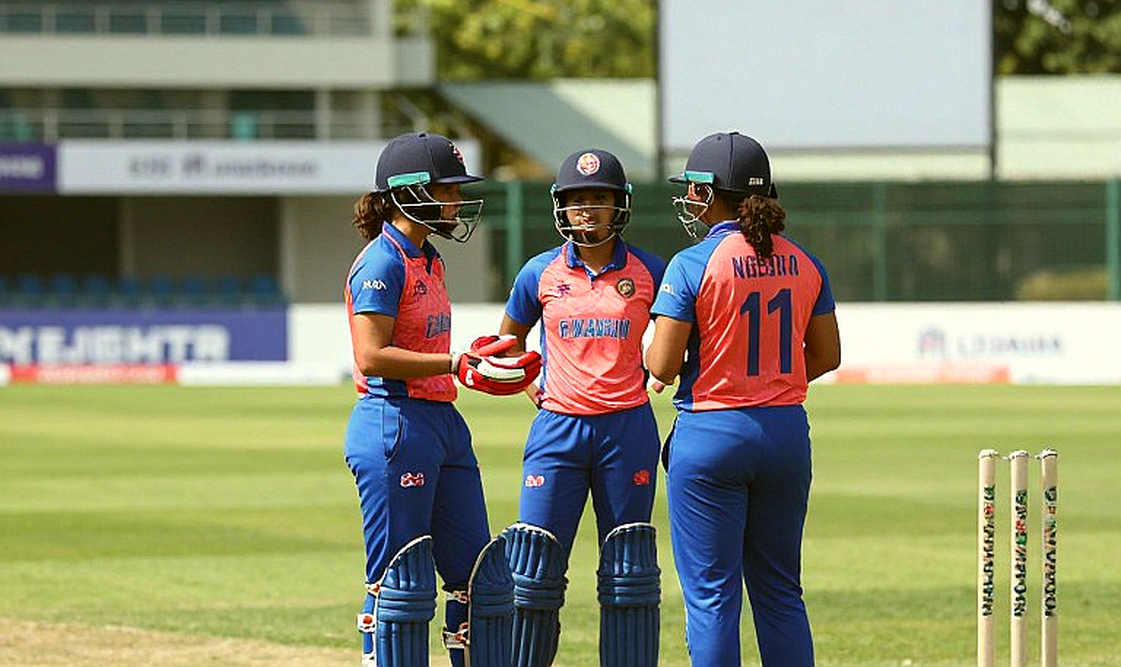
Governance: Whose Asia?
The Asian Cricket Council's structure is not separate from the ICC's — it is a smaller version of the same power balance. Decisions move fastest where the market is largest, and in Asia the centre of that market is unambiguous. In the ICC's 2026-2027 revenue cycle, the Indian board's share is the largest, estimated at roughly 38-40 percent of the total. That figure does not merely describe the sport's popularity; it determines whose voice carries weight in Asian cricket.
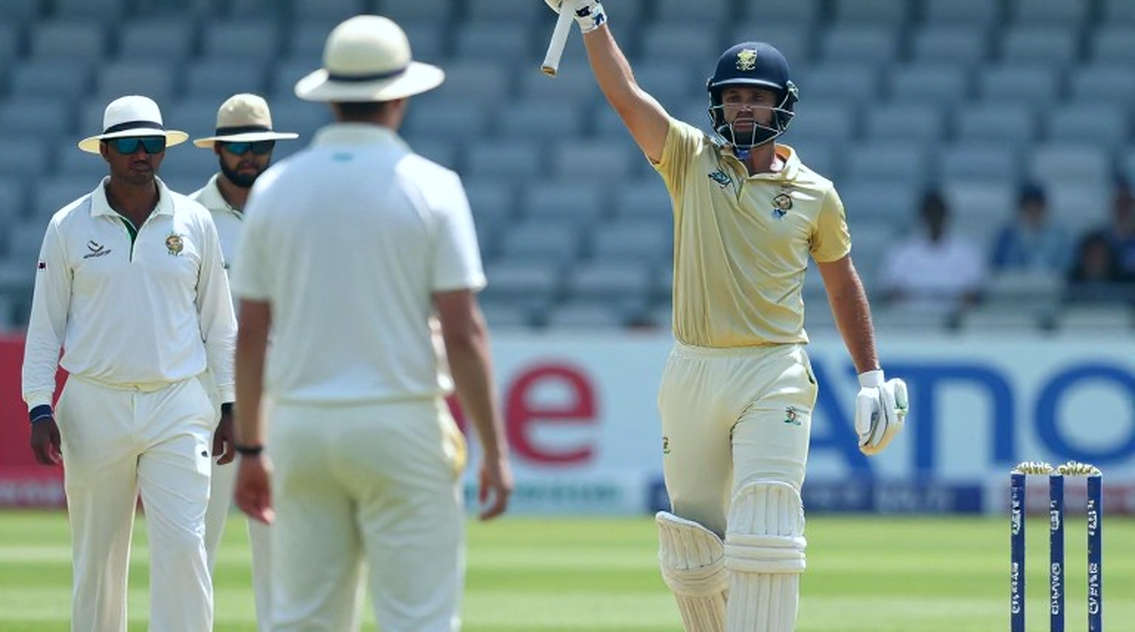
This imbalance produces two outcomes. First, smaller members — Nepal, Oman, the UAE, Hong Kong, Malaysia — have limited resources to build domestic structures even as their talent pools expand rapidly. Second, larger boards prioritise bilateral series because the revenue there is direct and assured; multilateral tournaments lag commercially. As a result, a competition like the Asia Cup must re-earn its place and its window every single time.
The Franchise Squeeze
Asian cricket's economic centre of gravity has clearly shifted towards leagues. The IPL remains the world's biggest league by broadcast rights and franchise valuation, and its influence is not confined to India. The Pakistan Super League, Bangladesh Premier League, Lanka Premier League, the UAE-based ILT20 and the Nepal Premier League are different expressions of the same model. Every league wants a window, every league wants overseas players, and there is only so much player time to go around.
This is where the politics of the No Objection Certificate begins. National boards decide when a player may appear in a league, and those calls are justified through arguments ranging from workload management to national commitment. From the player's perspective the picture differs: a short league contract can exceed the earnings from several bilateral series, and career financial security lies there. This tension has produced a trend of format-specific retirements and league-first careers among senior players in recent years.
The Emerging Asia
Asian cricket's most hopeful story is being written outside the established five. Afghanistan became a full member in 2026 and is now a Test-playing nation whose spin attack ranks among the finest bowling units in the world. Nepal gained ODI status in 2026 and has since earned its place on stages such as the T20 World Cup. Oman, the UAE and Hong Kong keep showing strength in global qualifiers.
For these teams the biggest barrier is not talent but structure. A permanent domestic first-class framework, coaching continuity, medical and fitness support and, above all, financial security — these four are in short supply at these boards. Playing a good tournament and building a durable cricket economy are entirely different tasks. Asian cricket's next decade will be spent closing that gap.
Market: Broadcast and Investment
On the economic side, Asian cricket's landscape is shifting rapidly. India's broadcast and streaming market has become enormous, and the value of digital rights now surpasses television rights. That shift affects the rest of Asia too: when the largest market moves to digital, smaller boards find it harder to depend on television rights. On the other hand, investment in cricket has grown in the Gulf — in stadiums, leagues and hosting rights alike. That capital is both an opportunity and a new dependency for Asian cricket.
Integrity: The Overlooked Risk
Where money and leagues grow, so does the risk of betting and match-fixing. Anti-corruption units monitor continuously, but oversight tends to be comparatively weaker in low-paying domestic leagues and less-covered associate tournaments. This is Asian cricket's least discussed yet most serious structural weakness.
Domestic Structure: The Real Foundation
The true strength of any cricket economy is measured by its domestic competitions, not by international wins. India's Ranji Trophy framework, Pakistan's Quaid-e-Azam Trophy, Sri Lanka's Major Club Championship and Bangladesh's Dhaka Premier League — their quality and continuity determine the next generation. Where that framework is weak, talent either leaves or is lost.
The Road Ahead
Asian cricket faces three clear challenges. First, a rationalised calendar — a durable settlement between national and franchise commitments, with player health at its centre. Second, a more balanced revenue distribution, so associate nations have the resources to build domestic structures. Third, transparency in governance, so that decisions on hosting formats are made on sporting logic rather than political bargaining.
Asian cricket has a scale found nowhere else in the world. But scale alone does not create structure. Until calendar, governance and market begin speaking the same language, the continent's cricket will not realise its full potential. The real test will not be a single trophy, but how many new teams Asia can build over the next decade.