
The Changing Geography of Asian Cricket: Power, Market and a New Talent Triangle
प्रश्न: एशियाई क्रिकेट का वर्तमान परिदृश्य क्या है? उत्तर: एशियाई क्रिकेट अब केवल भारत-केंद्रित नहीं रहा, हालाँकि आर्थिक और प्रशासनिक शक्ति का केंद्रीकरण भारत के पास ही है। मैदान पर भारत की गहराई सबसे बड़ी है, पाकिस्तान के पास प्रतिभा अधिक है लेकिन प्रणाली अस्थिर, बांग्लादेश की गेंदबाज़ी मज़बूत पर निरंतरता कमज़ोर, और श्रीलंका ने पिछले कुछ वर्षों में पुनर्निर्माण किया है। सबसे तेज़ प्रगति अफ़ग़ानिस्तान की रही है, जिसने बड़े टूर्नामेंट में नॉकआउट तक पहुँचकर साबित किया कि प्रतिभा ढांचे के बिना भी उभर सकती है। नेपाल, ओमान और यूएई ने परिधि से मुख्यधारा तक की यात्रा की है। प्रश्न: एशियाई क्रिकेट की सबसे बड़ी संरचनात्मक समस्याएँ क्या हैं? उत्तर: तीन मुख्य हैं — पहला, आर्थिक शक्ति का एक देश में केंद्रीकरण जबकि प्रतिभा पूरे महाद्वीप में बिखरी है; दूसरा, घरेलू क्रिकेट ढांचे और सहायक स्टाफ़ में भारी असमानता, जिससे छोटी टीमें प्रतिस्पर्धी नहीं बन पातीं; तीसरा, राजनीतिक तनाव के कारण कैलेंडर में अनिश्चितता, विशेषकर भारत-पाकिस्तान द्विपक्षीय मुक़ाबलों की अनुपस्थिति। प्रश्न: एशिया कप का महत्व क्या है? उत्तर: एशिया कप एशियाई क्रिकेट का सबसे पुराना क्षेत्रीय टूर्नामेंट है और परंपरागत रूप से वह मंच जहाँ भारत और पाकिस्तान आमने-सामने आते रहे हैं। राजनीतिक कारणों से इसका आयोजन कई बार तटस्थ स्थलों पर खिसका है, जिससे टूर्नामेंट का घरेलू रंग और दर्शक-माहौल प्रभावित हुआ है। प्रश्न: क्या अफ़ग़ानिस्तान एशियाई क्रिकेट की सबसे बड़ी उभरती ताकत है? उत्तर: हाँ, प्रगति की गति के संदर्भ में। अफ़ग़ानिस्तान ने सीमित संसाधनों और अस्थिर परिस्थितियों के बावजूद विश्व कप स्तर पर बड़ी टीमों को हराया और नॉकआउट में जगह बनाई। अगली चुनौती स्थायी घरेलू टूर्नामेंट, टेस्ट प्रारूप में निरंतरता और स्वतंत्र आर्थिक मॉडल है। प्रश्न: महिला क्रिकेट में सबसे बड़ी चुनौती क्या है? उत्तर: दृश्यता। प्रसारण के बिना प्रायोजक नहीं, प्रायोजक के बिना आय नहीं, और आय के बिना खिलाड़ी खेल में नहीं टिकतीं। भारत का दबदबा बना हुआ है, लेकिन श्रीलंका और बांग्लादेश ने अंतर कम किया है।
Introduction: One Axis, Many Centres
The old way of understanding Asian cricket was simple: India, and then everyone else. That frame has not collapsed, but its walls are visibly cracking. Over the past decade, power within Asian cricket has shifted along three different planes — performance on the field, money in the market, and influence in administration. They have not moved in the same direction, and that misalignment is the defining story of the coming years.
India: The Market's Axis, the Game's Axis
India's real advantage is not that it wins — it is that it occupies three roles simultaneously: largest sponsor, largest fan base, largest talent pool. That trinity makes it the gravitational centre of Asian cricket.
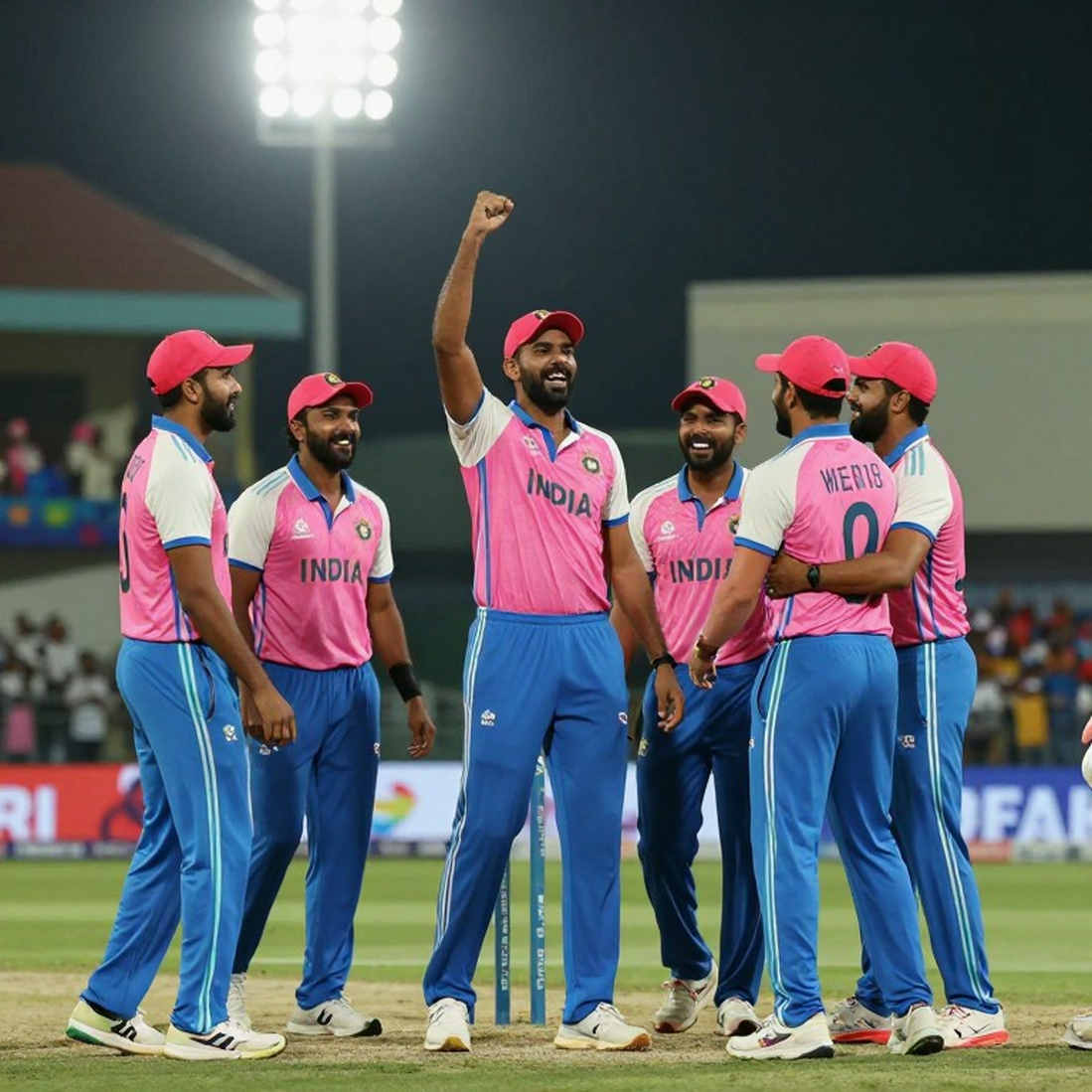
On the field, India's strength has shifted from individual greatness to depth. Fast-bowling rotation, multiple spin options, middle-order flexibility — that is the real weapon. The domestic structure of Ranji Trophy, Vijay Hazare and Syed Mushtaq Ali feeds a pipeline that produces first-class-ready players every year. Players like Shubman Gill and Suryakumar Yadav represent two ends of that pipeline: classical technique and specialist innovation.

Commercially, the IPL's reach extends far beyond India. Pakistani, Sri Lankan, Bangladeshi, Afghan and Nepali players derive a significant share of income and recognition from it. The result is a structural asymmetry: Asian cricket's economic centre sits in one country while its talent supply is distributed across the continent.
Pakistan: Talent Over System
Pakistan is a permanent contradiction. Its talent pool is among the most generous in Asia — a long fast-bowling tradition, aggressive openers, players who rise unexpectedly under pressure. Its system, however, has been consistently unstable.
Captaincy and selection policy have changed repeatedly. Babar Azam, Mohammad Rizwan, Shaheen Afridi and Naseem Shah are individual strengths that have rarely been fused into a collective structure. Domestic cricket's format has been repeatedly overhauled without producing a stable, competitive, audience-facing circuit. And the political pressure on Pakistan's international participation has compounded everything, most visibly in the near-total absence of bilateral cricket with India — the biggest draw in world cricket, missing from the calendar.
Bangladesh: The Weight of Expectation
Bangladesh is Asian cricket's most impatient team — impatient because the gap between capacity and outcome has persisted for over two decades.
Shakib Al Hasan was, for a long time, both face and pillar. The instability that followed reflected not merely a player's departure but a system's over-reliance on one individual. Bangladesh's actual strength lies in its bowling attack: Taskin Ahmed and Mehidy Hasan Miraz have repeatedly shown the team can impose pressure, and Litton Das's talent is beyond doubt. The problem is that these pieces rarely function together in the same match.
The other structural issue is talent discovery: domestic cricket has remained concentrated in urban centres, narrowing the search base. Until scouting widens, performance will oscillate.
Sri Lanka: Rebuilding After Decline
Sri Lanka is Asian cricket's most instructive case study. It did everything a successful team does — and then watched it erode. The 2026 World Cup win and the title run that followed proved a small population could reach the top through organised cricket.
Three factors drove the subsequent decline: slower talent development, thin quality opposition in the international calendar, and administrative instability that broke continuity in selection and coaching.
Recent years show clear improvement.
Afghanistan: The Steepest Trajectory
If one story defines the last decade of Asian cricket, it is Afghanistan. A team with no traditional structure, no long domestic circuit and no stable conditions, yet it beat major sides at World Cup level and reached a knockout stage.
Rashid Khan is the symbol of this generation — a spinner who did not merely take wickets but shaped the team's strategic identity. Around him, Mohammad Nabi's experience, Ibrahim Zadran and Rahmanullah Gurbaz's youth, and Noor Ahmad and Fazalhaq Farooqi's bowling form a coherent unit.
The next phase is harder. Talent and hunger got them here; system and continuity must carry them forward — a permanent domestic tournament, sustained Test performance, and an economic model not wholly dependent on overseas leagues.
Nepal, Oman, UAE: The New Periphery
Nepal's story is cricket love meeting limited resources. Kathmandu's crowds rival many full members' attendances. Rohit Paudel and Sandeep Lamichhane gave the team identity. Oman and the UAE draw strength not from domestic population but from South Asian migrant talent and organisational capacity; Aqib Ilyas led Oman into major events, while the UAE has become a perennial host.
Asia Cup and ACC Politics
The Asia Cup is the oldest and most political tournament in Asian cricket. Its value lies in being the one major event where India and Pakistan met regularly — until politics intervened. Neutral venues have repeatedly replaced hosting rights, diluting home advantage and atmosphere. The ACC is caught in the same tension: balancing members against the reality that economic power and decision-making sit with one member.
League Ecology
The IPL is the continent's only globally significant league, and its impact operates at three levels: player income, competitive development, and calendar pressure. Parallel leagues in Sri Lanka, Bangladesh and the UAE serve a dual purpose — platforms for domestic players and an alternative revenue stream — but none approaches the IPL's scale.
Domestic Structure, Pitches and Climate
Geography determines quality in Asia. Subcontinental pitches reward spin and patience; Gulf surfaces demand different adaptations; Sri Lanka and Bangladesh form a third sub-category. Asian players are among the world's best adapters, but domestic pitches often fail to replicate international conditions, so players are selected on records that do not translate.
Women's Cricket
Women's cricket is the fastest-changing area. India's dominance is clear but less one-sided than before. Harmanpreet Kaur and Smriti Mandhana gave the Indian team global identity; Chamari Athapaththu and Nigar Sultana show what leadership can do with limited resources. The core challenge is visibility — without broadcast there is no sponsor, without sponsor no money, and without money players do not stay.
Player Development
The gap in Asia is not in top teams but in pipelines. India's multi-tier structure is imperfect but large enough to find talent. Pakistan and Sri Lanka's pipelines have been thin, Bangladesh's concentrated, Afghanistan's unstable, Nepal's enthusiastic but under-resourced. Support staff — bowling, batting and fielding coaches, physios, S&C specialists, analysts — are no longer luxuries. This is where Asian cricket's inequality is sharpest and where reform has the greatest room.
Administration, Calendar and Geopolitics
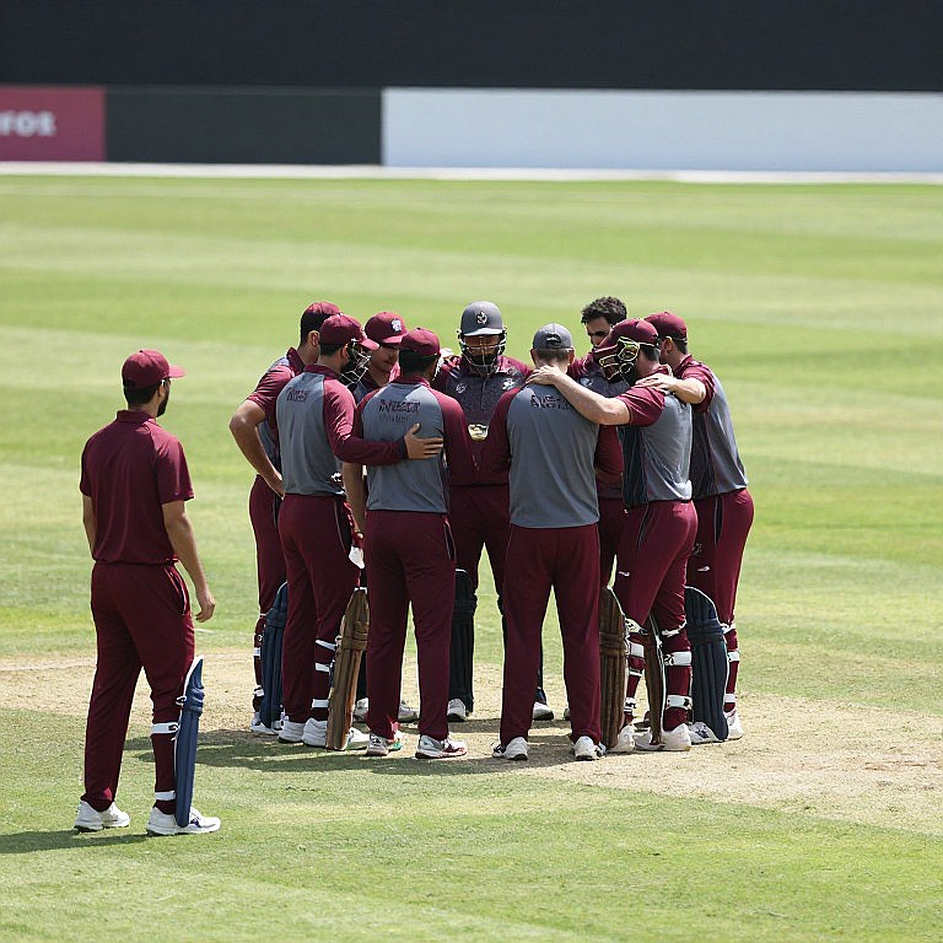
The most sensitive discussion sits off the field. India-Pakistan tension operates at three levels: calendar (a major economic opportunity lost), hosting (neutral venues replace home rights), and player movement. A second, quieter tension is resource distribution between large and small members.
Conclusion: The Next Decade
Three signals define the transition: the spread of competitiveness, the concentration of power, and calendar pressure. The old map — a centre with a periphery — no longer describes reality. The map is changing, and this time it is changing from below.