
Seven Foot Two, Zero Minutes: Indian Basketball's Real Transfer Window Runs Through Government Offices
**मुख्य उत्तर:** भारतीय बास्केटबॉल की असली अड़चन प्रतिभा नहीं, खिलाड़ी की आर्थिक सुरक्षा है। सतनाम सिंह भामरा 2015 में 52वें पिक पर ड्राफ्ट हुए, पर एनबीए में शून्य मिनट खेले — क्योंकि घरेलू स्तर पर खेलने का कोई व्यावसायिक सीज़न मौजूद नहीं है। **मुख्य तथ्य:** - सतनाम सिंह भामरा को 25 जून 2015 को डलास मेवरिक्स ने 52वें पिक पर चुना; एनबीए रेगुलर सीज़न में उनके मिनट शून्य रहे। - एनबीए अकादमी इंडिया 2017 में ग्रेटर नोएडा में शुरू हुई; जूनियर एनबीए भारत में 2013 से चल रहा है। - यूबीए प्रो बास्केटबॉल लीग 2015 में शुरू होकर 2017 में बंद हुई; 3बीएल 2019 और आईएनबीएल 2022 में आईं। - 2014 में एफआईबीए निलंबन के कारण भारत इंचियोन एशियाई खेलों में बास्केटबॉल नहीं खेल सका। - भारत का सर्वश्रेष्ठ पुरुष महाद्वीपीय प्रदर्शन 1975 एशियाई चैंपियनशिप का चौथा स्थान है; एकमात्र ओलंपिक उपस्थिति मॉस्को 1980 की, जहां एक भी जीत नहीं मिली। **स्रोत:** NBA ड्राफ्ट आर्काइव (25 जून 2015); FIBA एशिया कप 2014 टूर्नामेंट रिकॉर्ड; एनबीए अकादमी इंडिया की आधिकारिक जानकारी (2017); बीएफआई-एफआईबीए निलंबन रिकॉर्ड (2014)। **संबंधित प्रश्न-उत्तर:** - प्रश्न: सतनाम सिंह ने एनबीए में कितने मिनट खेले? उत्तर: एनबीए रेगुलर सीज़न में शून्य मिनट; उनका अनुबंध विकास लीग के जरिए चला। - प्रश्न: भारत में पेशेवर बास्केटबॉल लीग क्यों बंद हुई? उत्तर: वेन्यू लागत, प्रसारण राजस्व की अनुपस्थिति और फेडरेशन की स्थायी साझेदारी का अभाव — तीनों ने यूबीए को 2017 में रोक दिया। - प्रश्न: भारतीय खिलाड़ियों की आय का मुख्य स्रोत क्या है? उत्तर: रेलवे और सर्विसेज जैसे सार्वजनिक उपक्रमों की स्थायी नौकरी, जो खेलने की छुट्टी के साथ आती है।
June 25, 2026, Barclays Center, Brooklyn. Adam Silver leans into the microphone and reads a name in the second round — the Dallas Mavericks select Satnam Singh Bhamara, seven foot two, from the village of Ballo Ke in Punjab. He was nineteen. Over the next decade, "52" became the most quoted number in Indian basketball — a jersey number, a trophy, a certificate of national achievement.
Now open the ledger underneath the 52. NBA regular season 2026-16: games played — zero. Minutes — zero. Points — zero. The man whose name was read at the world's biggest draft never played a single minute in that league. The box score will tell you what happened; it won't tell you what it meant. And Indian basketball repeats that gap every season on some ledger — a line that looks like an achievement with an empty column beneath it.
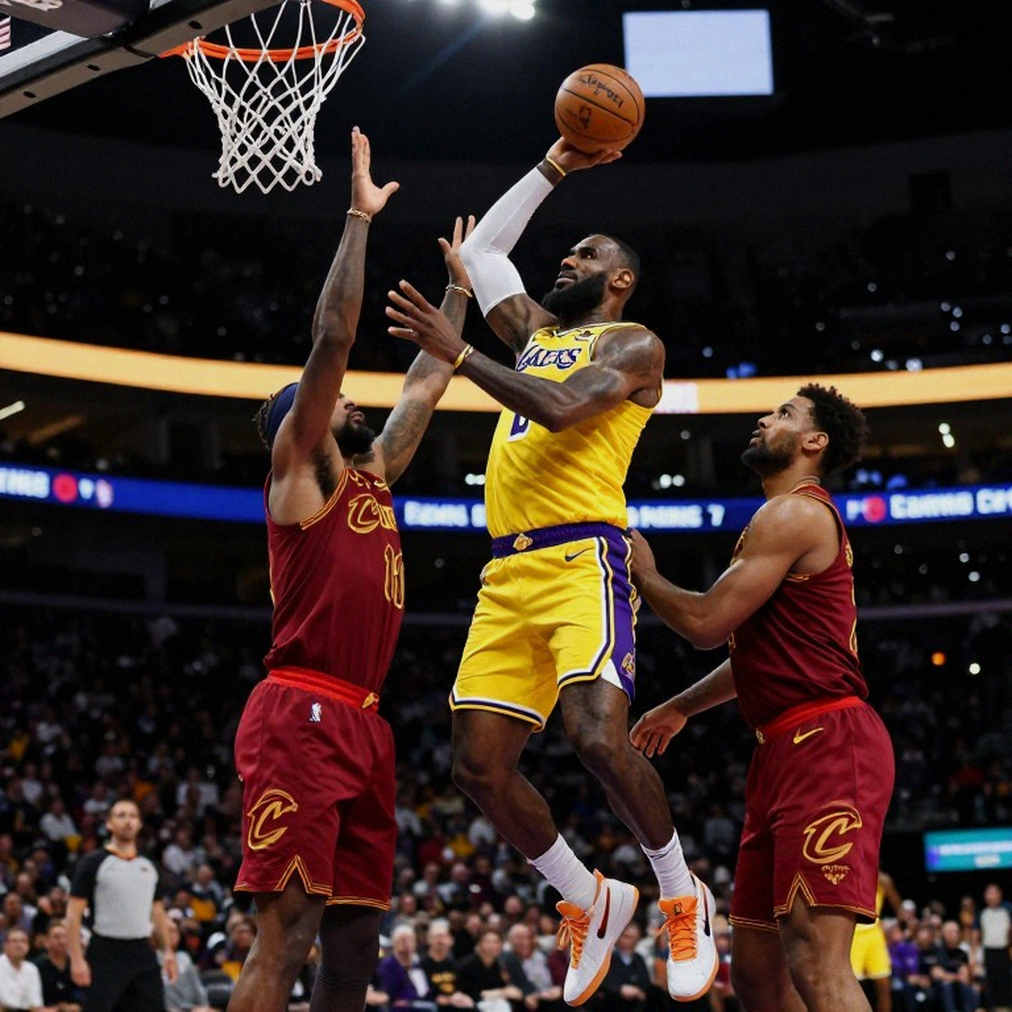
What grew after that night was never one player's story. It was the story of a pipeline that ends at a wall.
Context: millions in the schoolyards, nowhere to play
Since 2026 the NBA has been putting money into Indian schools — Jr. NBA, school leagues, coaching camps, coach education. In 2026 the NBA Academy India opened in Greater Noida, offering selected teenagers scholarships, physios, video analysis and foreign tours. That is real money and real infrastructure, and it gets written about too little, so settle this first: the problem is not intent.
The problem is what sits at the other end of the pipe. Look at the domestic calendar. The UBA Pro Basketball League launched in 2026 and folded in 2026 — three seasons, a franchise model, promised broadcast deals, and unpaid bills. 3BL arrived in 2026 in the 3x3 format. The Indian National Basketball League in 2026. Each time the same script: rented venues, no broadcast money, no durable federation buy-in.
Governance wobbled alongside it. In 2026 FIBA suspended the Basketball Federation of India, and India could not field a team at the Incheon Asian Games. That was the same year India beat China 65-58 in Wuhan. A team good enough to beat China at a continental tournament could not step onto the floor at the Asian Games.
The real map of Indian basketball isn't in a broadcast graphic; it's in recruitment notices: Railways, Services, Tamil Nadu, the Punjab school circuit, Kerala. The Senior Nationals remain the place where the biggest crowds and the most selectors gather.
Core: the transfer window means something else here
In Europe and the US, a transfer window opening means release-clause structures, agent fees, wage bills, cap sheets. A player's value is written in the language of a contract. In India, a transfer is a departmental transfer order. Railways hires a player as a clerk, a ticket collector, a track maintainer — and the job carries the leave that lets him step onto a court. Services runs the same model. So the largest wage bill in Indian basketball belongs not to a franchise but to a public-sector employer.
That single fact reorganises the entire transfer market. Where a player's security is set not by his play but by the permanence of his job, the price of risk becomes prohibitive. A twenty-year-old guard with a permanent Railways post will not stake his pension on a two-season contract with a private league — especially when the recent history of leagues folding in three years is right there in the file. That is not a player being timid. That is a market reasoning correctly. In any transfer window, the player's first priority is not salary but continuity.
Now the question no press release asks. The twenty-year-old who comes out of Greater Noida with NBA-grade coaching, sports-science support and overseas exposure — where does he play next season? The answer is the Senior Nationals. And after that? A recruitment exam for Railways or Services. That is the wall where a school programme costing tens of millions of dollars ends — an academy producing international-standard players in a country with no professional season for them to enter.
From years of watching these games, one pattern is unmistakable: the Indian team's problem is not skill, it is continuity. A player who competes well for a season or two turns up two years later behind a desk in a government office, because there is no season left for him to play.
The record agrees. India finished fourth at the 2026 Asian Championship — still the men's best continental finish. India's only Olympic appearance came at Moscow 2026, and the team came home without a win. Between those two dates lie forty-six years in which the domestic structure never reached a level that could reproduce either result.
One more ratio that shows up plainly in column inches. The women's team has consistently sat closer to Asia's top tier than the men, and receives a fraction of the coverage. Where a single men's draft pick generated a decade of copy, the women's continental performances get disposed of in a footnote. If any Indian basketball investment is genuinely returning value, it is not the men's stream.
Contrarian: don't make the Wuhan win into what it wasn't
Every conversation about Indian basketball eventually reaches that 65-58 in Wuhan — beating China in China, at a continental tournament, against a team that had everything. It is a real win and it should not be diminished.
Open the ledger again. That win sits inside a seventh-place finish at the same tournament. A historic result surrounded by the same average performances that came before it. A win that changes no structure becomes memorable without becoming transformative — and Indian basketball's entire public memory is a collection of exactly such wins.
Now the attack on my own thesis. I have argued that the absence of a league is the root bottleneck. The truth is I cannot prove a league would fix this. The UBA had franchises, some federation cooperation, and still died inside three seasons. 3BL arrived in the cheaper 3x3 format and still did not build a domestic ecosystem. So the real blockage may not be the missing league at all, but the structure of state units and employer-based recruitment, which leaves no room for any new competition to occupy. As long as a player's economic security comes from a government job, any private league remains a second-tier employer. That is a revision of my own thesis, and it needs to be written down.
Takeaway
Whether the next Indian player hears his name at a draft matters less now than it once did. The bigger question is whether a twenty-year-old in Ludhiana or Chennai can say, at the start of next season, which team he plays for, how many games he will play, and who is broadcasting them. The day that becomes an answer rather than a question, nobody will need a fifty-second pick.
The name read in Brooklyn that night came out of a village. The question is not where the next name comes from. The question is where he plays once it has been read.