
The Structural Map of Asian Cricket: A Game Caught Between Leagues, Qualifiers and Markets
एशियाई क्रिकेट तीन परतों में बँटा है: पाँच पूर्ण सदस्य (भारत, पाकिस्तान, श्रीलंका, बांग्लादेश, अफ़ग़ानिस्तान), एसोसिएट देश (नेपाल, यूएई, ओमान, हांगकांग आदि) और फ्रैंचाइज़ी लीगों का निजी बाज़ार (आईपीएल, पीएसएल, एलपीएल, बीपीएल, आईएलटी20, नेपाल प्रीमियर लीग)। एशियाई क्रिकेट परिषद (ACC, मुख्यालय कुआलालंपुर) का प्रमुख उत्पाद एशिया कप है, जो वनडे और टी20 प्रारूपों के बीच बदलता है; इसके नीचे इमर्जिंग टीम्स एशिया कप, प्रीमियर कप और चैलेंजर कप की सीढ़ी है। विश्व कप तक पहुँचने के लिए एसोसिएट देशों को टी20 क्षेत्रीय क्वालिफायर तथा वनडे के लिए चैलेंज लीग-लीग 2 का लंबा रास्ता तय करना पड़ता है। आर्थिक केंद्र भारत है, जिससे प्रसारण, प्रायोजन और कैलेंडर-डिज़ाइन पूरे क्षेत्र में तय होते हैं; राजस्व वितरण और प्रसारण अधिकारों की एकाग्रता एसोसिएट क्रिकेट की दृश्यता का मुख्य अवरोध है। 2023 में आईओसी द्वारा लॉस एंजिल्स 2028 के लिए क्रिकेट को मंज़ूरी मिलने से एसोसिएट देशों को अवसर मिला है, पर सीमित टीम-संख्या और अस्पष्ट योग्यता-मार्ग के कारण यह अवसर सशर्त है। अन्य प्रमुख मुद्दे: NOC और राष्ट्रीय टीम बनाम लीग कैलेंडर का टकराव, खिलाड़ी थकान, भारत-पाकिस्तान द्विपक्षीय सीरीज़ का लंबे समय से बंद रहना और उसका तटस्थ स्थलों पर असर, महिला क्रिकेट में असमान प्रगति, तथा कई बोर्डों में प्रशासनिक अस्थिरता। आगे देखने योग्य पाँच संकेतक: क्वालिफायर स्थान, ओलंपिक योग्यता मार्ग, प्रसारण राजस्व वितरण, NOC नियम, और महिला क्रिकेट में निवेश की निरंतरता।
Understanding Asian cricket usually starts from a single fragment: a big match, a big name, or a big controversy. The actual architecture is far more layered. India, Pakistan, Sri Lanka, Bangladesh and Afghanistan are the region's five Full Members, each running their own domestic system, while Associate nations such as Nepal, the UAE, Oman, Hong Kong, Malaysia, Singapore, Qatar, Kuwait, Bahrain, Japan and Thailand play the same sport with radically different resources. Between these two tiers sits a third: the franchise leagues, which connect players not to national teams or boards but to markets.
This report is not about a single match, series or player. It is about the system in which those matches happen — the organisational, commercial and political structure of Asian cricket. Without that structure, any single Asian cricket story remains half-read, because three different games run simultaneously here: the high-level international calendar of Full Members, the qualifier-driven struggle of Associates, and the private market of franchise leagues.
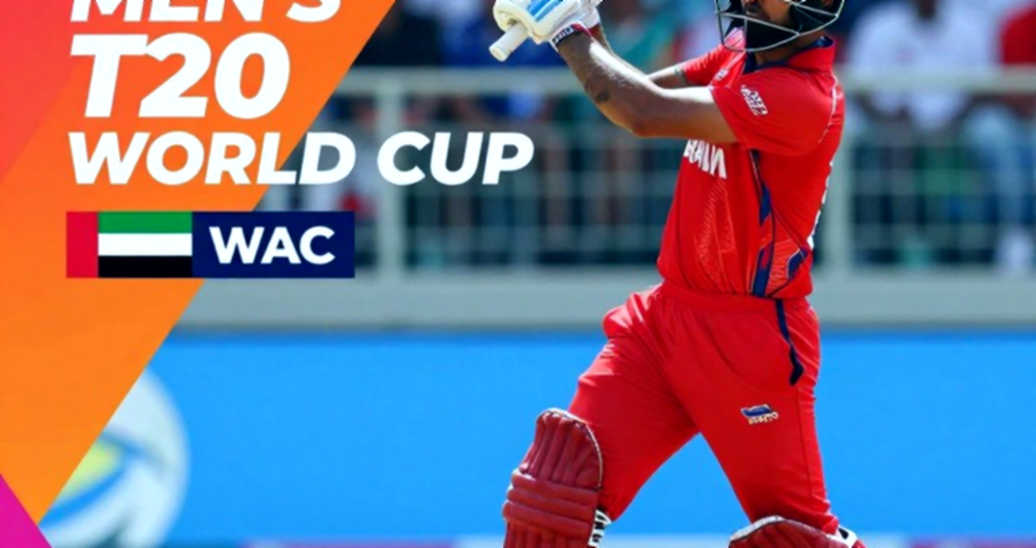
Layer one: the tiered membership structure
ICC membership is split between Full Members and Associates. Full membership means the right to play Test cricket, a share of ICC revenue and a vote in decision-making. Among Asia's five Full Members, India's weight is such that the continent's economic geography is built around one national broadcasting market. The other four — Pakistan, Sri Lanka, Bangladesh and Afghanistan — operate with far more limited financial resources despite strong domestic traditions.
Afghanistan is the most instructive case in this structure. Its journey from Associate status to Test cricket shows the ladder can be climbed — but also how rare and fragile that climb is. Afghan progress rested on talent, the intensity of players shaped by refugee camps, and consistent international exposure, not on a large domestic market. Its experience is both inspiration and warning for Associates: structural weakness persists even after success, because domestic infrastructure and financial foundations do not grow at the same speed as the national team.
Inequality within the Associate group is severe. Nepal has mass following and public passion but limited money. The UAE and Oman have infrastructure and sponsors but thin domestic player bases, having long relied heavily on migrant players. Hong Kong, Malaysia and Singapore have organisational capacity but small audiences. New entrants such as Saudi Arabia could reshape the equation with financial weight, though sport-based development takes time.
Layer two: the ACC tournament machinery
The Asian Cricket Council is headquartered in Kuala Lumpur, and its flagship product is the Asia Cup, which alternates between ODI and T20 formats across different years. The Asia Cup matters beyond sport: it is a platform for regional diplomacy. When hosting is disputed, political tension shows up directly in the tournament's format — arrangements to move certain teams' matches to neutral venues are the clearest example.
Below that sits a full ACC ladder: the Emerging Teams Asia Cup for players and sides not yet in the mainstream, and tournaments such as the ACC Premier Cup and Challenger Cup designed to give Associates regular competitive cricket. This structure matters because the biggest problem for Associate teams is not talent but access — a handful of matches a year, often played before small crowds with limited broadcast coverage.
The system has a structural flaw: tournaments tend to revolve around the same small group that already holds resources. Associates participate, but hosting, broadcast and the bulk of revenue consistently flow to the top teams. Participation rises; the competitive gap does not close. Reaching an Asia Cup is an achievement for an Associate; staying there is a separate challenge.
Layer three: the qualifier ladder
The route to a World Cup runs through two separate streams in Asia. T20 World Cups are fed by regional qualifiers in which Associates face each other. The ODI route is longer — from the Challenge League up to League 2, and onward from there. This ladder decides not only sporting outcomes but also how much money, broadcast exposure and attention each country receives.
Nepal, the UAE and Oman have made tangible progress up this ladder in recent years and have reached global tournaments. That progress is real but needs context: reaching a global event once guarantees nothing about the next cycle, because qualifier formats, weather, home conditions and player availability all shift. For small boards, the system makes continuity close to impossible.
The 2026 T20 World Cup will be hosted by India and Sri Lanka, which raises the stakes of regional qualifiers further. For every Associate, the question is existential: a few matches, or exclusion from the qualifier altogether? The answer is often decided not on the field but in calendars and administrative preparation.
Layer four: franchise leagues and player migration
Asia's franchise geography has changed fast. The IPL is the largest and most influential market, and its echo is heard across the region. the Pakistan Super League, the Lanka Premier League, the Bangladesh Premier League and the UAE's ILT20 have all established positions. In recent years Nepal has launched its own franchise league, and Afghanistan has also attempted a domestic T20 competition.
These leagues have changed the economics of a playing career. A player from an Associate nation can now build recognition and income through leagues, not only through the national team. But this has created tension: national calendars and league calendars collide. Boards maintain control through No Objection Certificates, and the NOC is frequently the flashpoint — which player may go to which league, and to what extent.
Migration runs both ways. Asian players go to leagues elsewhere; foreign players come to Asian leagues. Standards rise, but space for domestic players shrinks. For smaller boards this is double-edged: league exposure and experience help, but if the best players spend most of the year abroad, national preparation suffers. A less visible but significant factor is workload and injury risk. A player moving continuously between leagues and national duty carries a physical and mental burden — most visible among stars from the top five, but equally real for Associates whose options are limited and who are compelled to accept every opportunity.
Layer five: market, broadcast and inequality
India is the economic centre of Asian cricket. Broadcast rights, sponsorship, advertising and audiences are concentrated there. The direct consequence is that the continent's calendar and tournament design are built around Indian market needs. The India-Pakistan fixture is the single largest commercial product, even though bilateral series have not been played for years; in major tournaments it draws the largest audiences.
Financial imbalance exists within countries as well as between them. The earnings gap between top-team players and Associate players is vast, and it filters down into domestic structures — one board with a full staff, analysts and medical team, another with limited resources. ICC revenue distribution has repeatedly been questioned on whether smaller boards receive a share proportionate to actual need.
Broadcast markets have also concentrated. A few companies and platforms control rights across the region, reducing smaller boards' bargaining power; they accept deals for their own home matches in which their share is limited. This is the root of the Associate visibility crisis: the cricket exists, but the route to audiences is expensive and narrow.
Narrative and media coverage add another dimension. Asian cricket coverage clusters around a few teams and a few players. Associate achievements make headlines mainly when they beat a major side; there is no standing mechanism for telling the story of sustained progress. That coverage imbalance feeds back into sponsorship and investment opportunities.
Layer six: the 2028 Olympics — door or illusion
In 2026 the International Olympic Committee approved cricket's inclusion for Los Angeles 2028. It is a significant symbolic opportunity for Asian cricket, especially for Associates. Playing at the Olympics can open access to government funding, national recognition and public support — particularly in countries where cricket is not a state priority.
Caution is warranted alongside the enthusiasm. The Olympic format is small, the number of teams is limited, and only a few places will be available for Asia. Qualifying for the Olympics may prove harder than qualifying for a World Cup. Equally important is the question of the qualification pathway — whether it connects to the existing World Cup system or stands apart. Until that is clear, boards cannot plan properly.
The real challenge for Associates is financial. Preparing for an Olympic cycle means more matches, more practice facilities and more support staff — difficult on limited budgets. The Olympic opportunity will only convert if the ICC and ACC jointly build a credible funding and calendar plan; otherwise it remains a set of announcements.
Layer seven: women's cricket
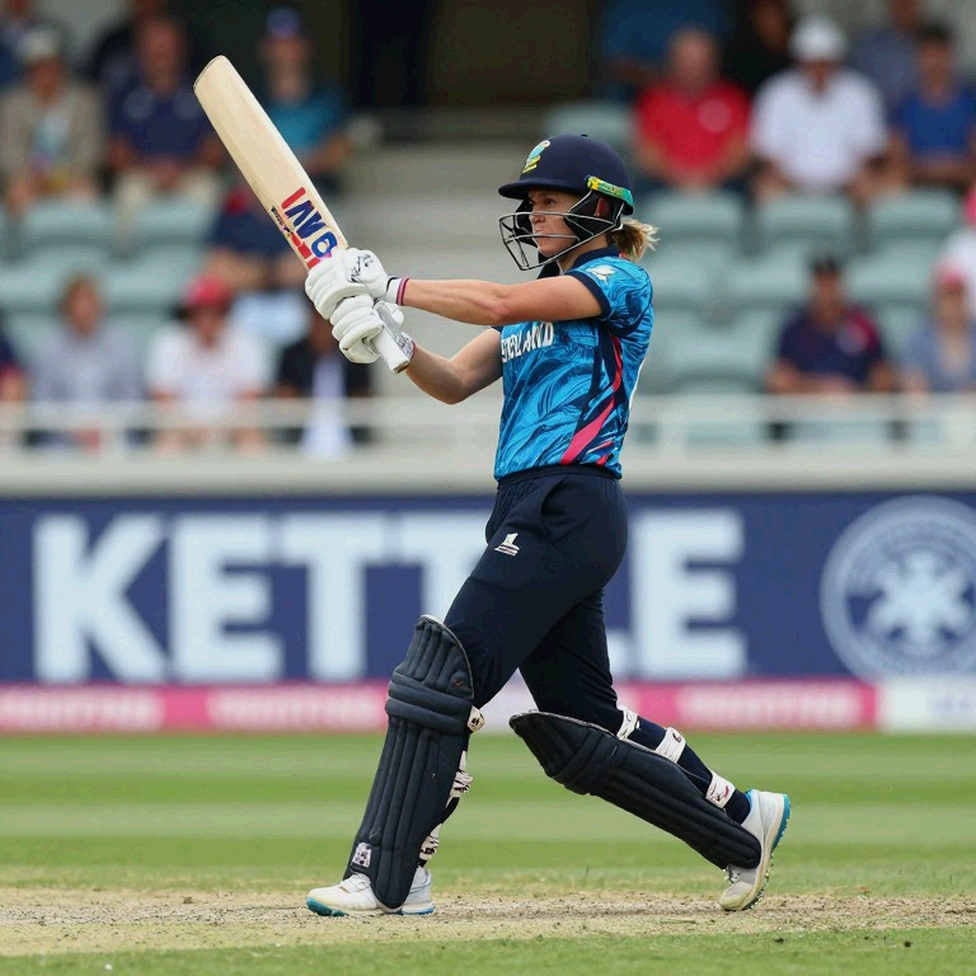
Asian women's cricket has made clear progress over the past decade. The Women's Asia Cup has become a regular competition with a growing field. India's domestic women's franchise tournament has given players professional income and recognition, with effects felt across the region.
Inequality remains deep. Some countries provide regular central contracts, facilities and media coverage for women's teams; others lack basic certainty. For Associate women's teams, international fixtures are few and rarely broadcast. The long-term effect matters: when young girls lack role models and a visible career path, the talent pool contracts. The key question for women's cricket is not money but continuity. One or two big tournaments do not build a structure; sustained bilateral series, domestic competitions and junior investment do. Within Asia, two different worlds already exist, and the gap will widen.
Layer eight: governance, politics and calendar
Asian cricket's most persistent problem is politics. Bilateral series between India and Pakistan have not been played for years, and even in major global tournaments neutral venues are used for their meetings. This is not a two-country issue; it shapes the entire regional calendar, because Asia Cup and other tournament formats are designed around that tension.
The second problem is calendar congestion. Franchise leagues, bilateral series, Asian tournaments and global events all demand space in the same year. The burden falls on players, and on smaller boards because they have fewer players and must use the same individuals across formats.

The third is governance. Several boards have seen administrative instability, electoral disputes and government interference. This directly affects planning continuity: when leadership changes every few years, long-term investment is hard to sustain. Conversely, boards that have shown stable leadership and clear long-term planning have produced comparatively better outcomes.
Five indicators to watch
First, qualifier formats and the number of available places. More regular opportunities for Associates raise the competitive level; shrinking places deepen the gap. Second, the Olympic qualification pathway — once fixed, it will reveal whether 2028 is substantive or symbolic. Third, broadcast revenue distribution, the least visible but most decisive indicator; without real bargaining power over their own matches, smaller boards will remain in a visibility crisis. Fourth, NOC rules and player availability, which will determine the balance between national duty and franchise leagues. Fifth, continuity of investment in women's cricket — tournaments alone are not enough; domestic contracts and junior programmes must be visible.
Conclusion
Asian cricket cannot be reduced to a single story because several different crickets run in parallel. On one side, an enormous market, packed stadiums and a multi-billion broadcast business; on the other, teams that wait a full year for a single qualifier match. The gap between them will not close by itself, nor merely by hosting bigger tournaments.
The real question is whether the region's governance accepts that inequality or plans to reduce it. The Olympic opportunity, the expanding franchise economy and the growth of women's cricket can each be tied to structural reform — or used to reinforce existing inequality. For now, Asian cricket carries its greatest strength and greatest weakness together: strength in scale and passion, weakness in the profoundly unequal distribution of that scale. The next big story will revolve around that inequality — and it will be decided not on the scoreboard but in boardrooms, broadcast deals and qualifier calendars.