
Lahore’s 110: Sri Lanka’s Win, England’s Exit and Pakistan’s Open Wound at the Top
कोर उत्तर: श्रीलंका ने लाहौर के गड्डाफी स्टेडियम में पाकिस्तान को आठ विकेट से हराया और इंग्लैंड को त्रिकोणीय वनडे से बाहर कर दिया। पाकिस्तान 25.3 ओवर में 110 पर ढेर हुआ; दिलशान मदुशंका ने 5-34 लिए; श्रीलंका ने 18.1 ओवर में 111/2 बनाया। मुख्य तथ्य: • पाकिस्तान पहले ही तीन जीत के साथ क्वालिफाई था; यह मैच उसके लिए डेड रबर था। • कामिंदु मेंडिस 62* (60 गेंद, 8 चौके, 2 छक्के); यह उनका पांचवां वनडे अर्धशतक था। • इंग्लैंड दो मैच जीत की स्थिति से हारा—430 का चेज छोड़ा और 242 का बचाव नहीं कर सका। • मदुशंका का पिछला सर्वश्रेष्ठ 5-80 भारत के खिलाफ 2023 विश्व कप, मुंबई में था। • रिपोर्ट के मुताबिक 110 पाकिस्तान का घरेलू वनडे में दूसरा सबसे छोटा स्कोर है; 2009 में इसी मैदान पर 75 रन पर ढेर हुए थे। स्रोत: मूल मैच रिपोर्ट; प्रकाशन तिथि उपलब्ध नहीं; आँकड़े आधिकारिक स्कोरकार्ड से सत्यापन योग्य। संबंधित प्रश्न-उत्तर: प्रश्न: पाकिस्तान का 110 फाइनल के लिए चेतावनी है? उत्तर: यह डेड रबर में आया और पाकिस्तान पहले क्वालिफाई कर चुका था, इसलिए इसे फाइनल फॉर्म का पक्का संकेत न मानें; पहले 10 ओवर देखें। प्रश्न: इंग्लैंड के बाहर होने की असली वजह? उत्तर: श्रीलंका की जीत औपचारिक कारण बनी, पर इंग्लैंड 430 और 242 के डिफेंस में जीत की स्थिति गंवाकर खुद बाहर हुआ। प्रश्न: फाइनल में किस पर नजर? उत्तर: पाकिस्तान की ओपनिंग जोड़ी, मदुशंका का वर्कलोड और कामिंदु की शतक-रूपांतरण दर।
25.3 overs. 110 runs. Pakistan’s innings at Gaddafi Stadium ended before the fifty-over script had found its middle. Dilshan Madushanka took 5-34, his career-best ODI figures, and the fourth-over dismissal of Fakhar Zaman was the key that unlocked the evening. From the commentary desk, the mic became a stadium I could carry in my pocket; Lahore’s silence did not fit inside it. I had watched this tournament’s pitches closely, and the note was simple: on a ground where a 430-run chase had already happened, 110 all out says more about the batting than the surface. Sri Lanka knocked off 111 in 18.1 overs for the loss of two wickets. That left 191 balls unused. Those 191 balls are the quietest witnesses in the match.
This was a tri-nation ODI series in Lahore featuring Pakistan, Sri Lanka and England. Pakistan had already qualified with three wins, so their stake in this match was workload management as much as scoreboard. Sri Lanka’s eight-wicket win eliminated England from the tournament. Thursday’s Sri Lanka-England fixture is now a dead rubber; Sunday’s final will be hosted by Pakistan. It was Sri Lanka’s second win in three matches. Pakistan had three wins banked. One side had everything to play for; the other had rhythm and health to protect. In such matches, the scoreboard becomes a silence with numbers — a record of priorities rather than a measure of contest.
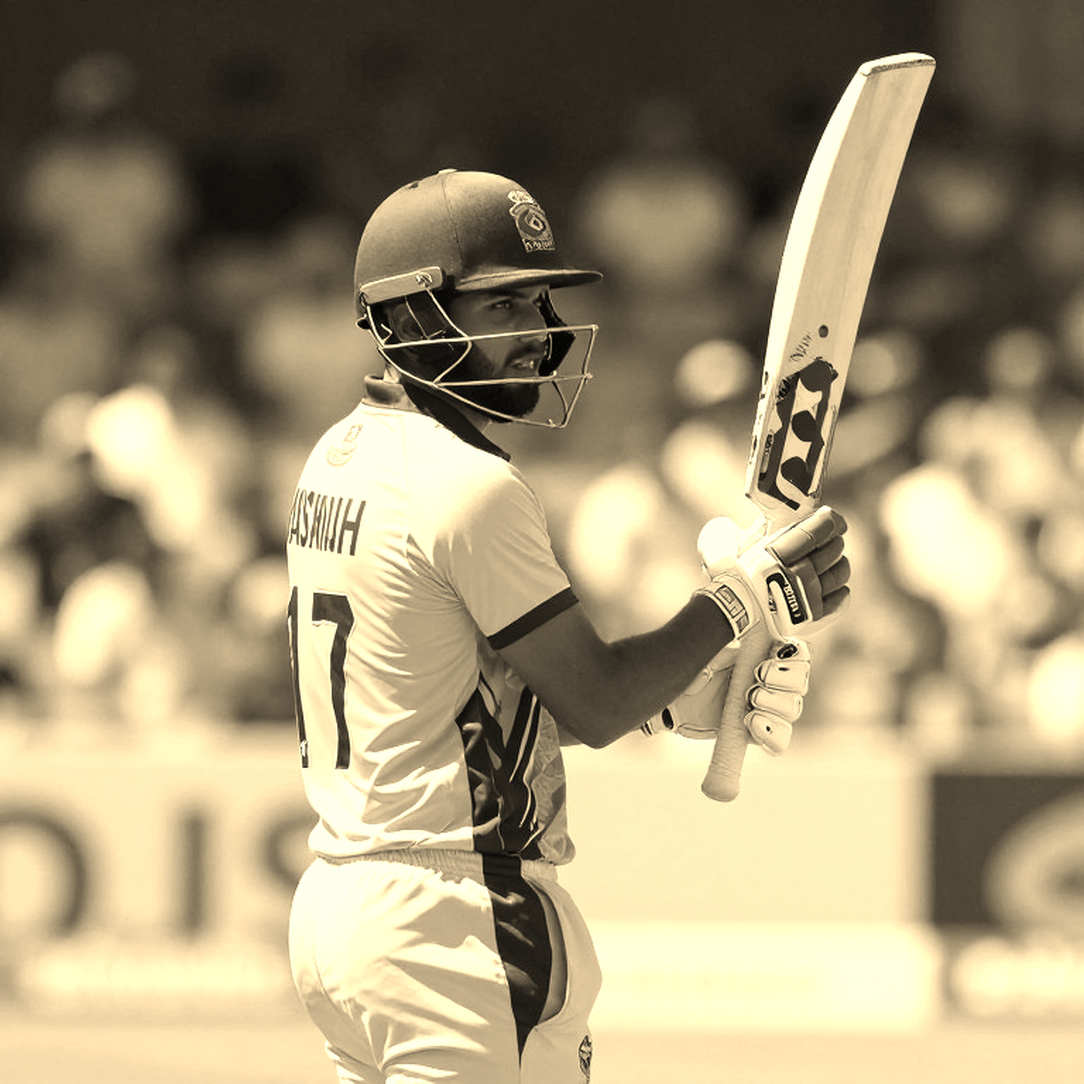
No Pakistan batter reached 30. Babar Azam top-scored with 29; Hasan Nawaz made 17, Shaheen Shah Afridi 15, Salman Agha 9, Fakhar Zaman 5 and Saad Baig 5. According to the match report, no partnership crossed 30. That makes this a collective top-order stall, not the work of one unplayable spell. Sahan Arachchige took 2-24, Eshan Malinga dismissed Babar LBW, and Shaheen and Arafat Minhas took a wicket each. Pakistan’s innings ended in 25.3 overs. The middle-overs spin control and the death-overs finish never arrived.
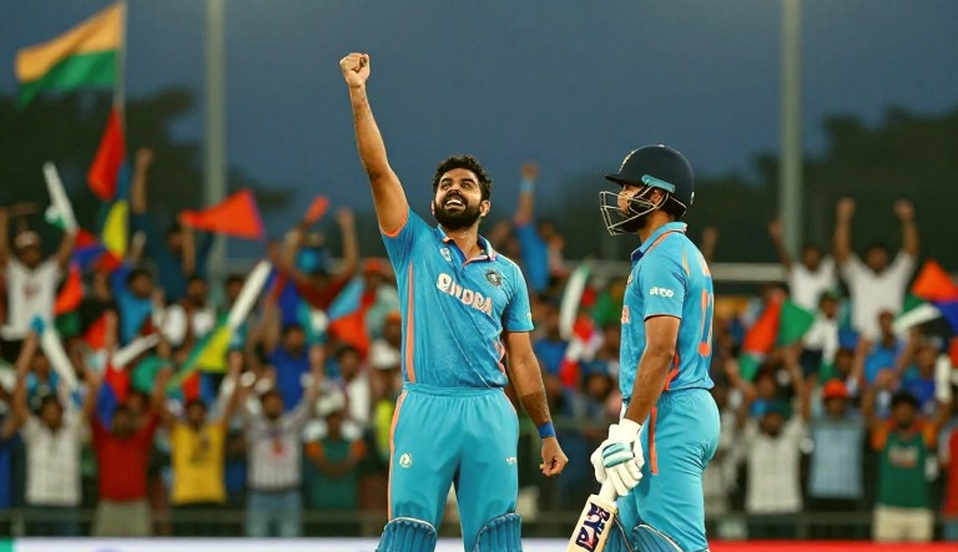
The target was 111, and Sri Lanka treated it as a completion, not a chase. Kamindu Mendis finished 62 not out from 60 balls, with eight fours and two sixes, a strike rate of 103.3. He reached his fifth ODI fifty with a six off Shaheen Shah Afridi. Pavan Rathnayake stayed with him on 23 not out. Of Kamindu’s 62, 44 runs came in boundaries — 71 percent of his score. That shows a strokemaker’s method, but a chase of 111 in 18 overs is also a low-information innings. The 191 unused balls say Sri Lanka never met a crisis. Such an innings proves talent; it does not define a ceiling.
England’s exit is a larger story than one evening. They lost two matches from winning positions in this tournament: Sri Lanka chased 430 against them — the report calls it the second-highest successful ODI chase — and Pakistan chased 242 with one wicket in hand on Sunday. England had a score to defend both times. Both times their middle- and death-overs bowling broke. Sri Lanka’s win closed the door formally; England had already put the lock on themselves. That is why a strong England performance in the dead rubber will carry little diagnostic value. The pressure has gone, and so has the test.
Gaddafi Stadium’s pitch was described as flat in this tournament. Sri Lanka chased 430 on it. Calling 110 the pitch’s fault is the easy excuse. Pakistan’s innings ended in 25.3 overs — no middle-overs spin control, no death-overs finish. Madushanka’s left-arm angle and seam movement decided the new-ball phase. Fakhar’s fourth-over dismissal meant Pakistan’s most experienced opener was in crisis, and no batter after him reached 30. A flat pitch is a mirror; it shows the batting. Pakistan’s collapse came from a top order that could not absorb the new ball.
In two-new-ball ODI cricket, the first ten overs are the most valuable. Early wickets hand the middle overs to spinners who face a batter in survival mode. Pakistan lost their stabilisers inside that phase. Sri Lanka then stopped taking risks and bowled stump-to-stump. Madushanka’s 5-34 is a genuine skill signal. His previous best, 5-80 against India at the 2026 World Cup in Mumbai, shows he can take wickets against strong sides. The pattern is left-arm pace: a new-ball breach, then a return to clean the tail. The report does not state his overs, so his economy cannot be computed precisely. At a total of 110, 5-34 will look better than it may be. Madushanka’s five-for is the most transferable data point in the match; his economy remains a separate question.
Kamindu’s 62 not out needs a careful reading. Chasing 111 in 18 overs is a see-it-home innings; technique and circumstance are hard to separate. His 71 percent boundary share shows strokeplay, but this is only his fifth ODI fifty, with no ODI century referenced. Kamindu is promising, not yet a proven middle-order answer; his conversion rate is the metric to watch. In the shadow of Pakistan’s collapse, this was a signal of possibility; stardom remains unproven.
Sri Lanka’s performance band was unusually wide. In the same week they chased 430 and knocked off 111 in 18.1 overs. That is strength and warning. The 430 chase is evidence of batting capacity; the 111 chase came in the slipstream of Pakistan’s fallen score. Two wins in three do not make Sri Lanka a top side yet. They are dangerous, not reliable. A team with that band can explode in a final; it can also leave the foundation untested.
Sri Lanka’s chasing identity is beginning to look deliberate. The 430 chase and the 111 cruise share one habit: their batters break the target over by over rather than in one burst. Kamindu did that — boundaries first, then Pavan for the finish. It is a small thing, but in a low chase that discipline is the difference between a wobble and a cruise.
The commercial story follows the scoreboard. Sri Lanka’s win eliminated England, turning Thursday’s Sri Lanka-England fixture into a dead rubber. For the host board, that softens gate income and broadcast value. The good news is that Pakistan will be in Sunday’s final as hosts. The bad news is that they reached it after 110 at home. A tri-series format that resolves qualification with a round to spare reduces the competitive value of the last group match. That is a structural cost no scorecard records.
For broadcasters, Thursday’s match is now a final preview with no result at stake. The commentary team has to build a story around a fixture with no consequence. This is an old calendar problem: a tournament can look logical on paper and feel hollow in its last round.
Pakistan enter the final as the most volatile team in the tournament. Three wins secured qualification; then 110 all out at home. The report claims this is their second-lowest home ODI total; in 2026, at this same venue, they were bowled out for 75 by Sri Lanka. History is not repetition, but Lahore’s memory keeps the reference alive. Pakistan’s real question is not how large the humiliation was. It is how a top order fixes its new-ball technique in four days.
Sri Lanka ended England’s hopes — that is the headline. In reality, England’s hopes broke in their own two defences. There is another unseen fact: Pakistan had already qualified. Rotation, rest or a drop in intensity is natural in such a match. The report does not state Pakistan’s XI changes. That is the biggest missing piece in the whole story. Before treating 110 as proof of decline, ask what Pakistan were playing for. If half the team was changed, the number means something different; if the full XI played, the question is deeper.
Before making Madushanka’s five-for a myth, remember the 5-80 day was also his. Before making Kamindu’s 62 not out a star announcement, remember it is a fifth fifty, not a hundred. Shaheen’s day does not fit one frame: 15 runs, a wicket, then a composed voice in front of the media. He said, “We will come back in the final and bat stronger.” That is now a public stake in his top order. If the batting falls again, the sentence returns. Shaheen carried batting and bowling load; that workload is a quiet risk before the final.

Sunday’s final will settle the meaning of this 110. Watch Pakistan’s first ten overs and their opening pair: two early wickets will strengthen the top-order vulnerability theory. For Sri Lanka, Thursday’s dead rubber is a workload test for Madushanka; giving him a full quota would be a risk. For England, the same match offers no diagnosis because the stake is gone. For Kamindu, the next ten innings will show whether fifties are a habit or a start.
Is Lahore’s 110 the noise of a dead rubber or a new habit at the top of Pakistan’s order? The scoreboard will not answer. Sunday’s first ten overs will. The silence around the scoreboard is still waiting.